
The Appeals Process in Florida Courts: A Beginner's Guide Understanding Your Right to Appeal – Biazzo Law, PLLC
Updated: Jul 23

If you've lost a civil case in a Florida trial court—whether it's a contract dispute, business litigation, real estate matter, or personal injury claim—you may have the right to appeal. The appeals process reviews whether the lower court made harmful legal errors that affected the outcome. Appeals are not a new trial; they focus on the existing record, not new evidence.
Considering a Florida civil appeal? Biazzo Law handles notices of appeal, record review, appellate briefing, and deadline-sensitive strategy. Call/Text (703) 297-5777 for appellate review.
At Biazzo Law, PLLC, we handle civil appeals throughout Florida, including in Miami, Boca Raton, Fort Lauderdale, West Palm Beach, and beyond. With proven experience in appellate advocacy before Florida's District Courts of Appeal and the Florida Supreme Court, we help clients challenge unfavorable judgments and protect their rights.
This beginner's guide explains the key steps in Florida's civil appeals process, governed by the Florida Rules of Appellate Procedure (updated as of September 4, 2025).
What Is an Appeal in Florida Civil Cases?
An appeal asks a higher court to review a trial court's decision for reversible error. Common grounds include:
Legal errors — Misapplication or incorrect interpretation of the law.
Procedural errors — Violations of court rules or due process.
Abuse of discretion — Unreasonable rulings on evidence, motions, or remedies.
Unsupported findings — Factual conclusions lacking evidence (though appellate courts rarely reweigh facts).
Appeals are not guaranteed; the higher court must find the error was harmful (prejudicial) to the outcome.
Florida's Appellate Court Structure
Florida has a two-tier appellate system for most civil cases:
District Courts of Appeal (DCAs) — Six districts handle most appeals from circuit court final judgments. For example:
1st DCA (Tallahassee): Covers northern Florida.
2nd DCA (Lakeland): Central-west.
3rd DCA (Miami): Miami-Dade and Monroe.
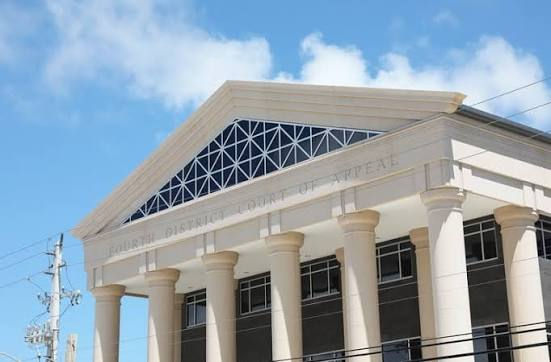
4th DCA (West Palm Beach): Southeast.
5th DCA (Daytona Beach): Northeast.
6th DCA (Lakeland): Central.
Florida Supreme Court — Discretionary review in limited cases, such as certified conflicts between DCAs, questions of great public importance, or direct appeals from death penalty cases (rare in civil matters).
Most civil appeals end at the DCA level.
Step-by-Step: The Florida Civil Appeals Process
1. Determine If Your Order Is Appealable
Final orders — Appealable as of right (e.g., final judgments ending the case).
Non-final orders — Limited appeals under Rule 9.130 (e.g., injunctions, venue changes).
Preserve errors — Most issues must be raised at trial (e.g., objections) to be appealable.
2. File the Notice of Appeal (Critical Deadline!)
File within 30 days of the order's rendition (Rule 9.110).
File with the trial court clerk, who forwards it to the DCA.
Pay filing fees and order transcripts/record.
Missing this deadline usually bars the appeal forever.
Note: In South Florida (Miami-Dade, Broward, Palm Beach), appeals go to the 3rd or 4th DCA; act quickly to avoid jurisdictional issues.
3. Prepare the Record on Appeal
The trial court clerk assembles the record (pleadings, orders, evidence).
Order transcripts (court reporter fees apply).
This step takes 50–70 days; delays can extend timelines.
4. Briefing Phase
Initial Brief (Appellant) — Due ~70 days after notice (or after record filing).
Answer Brief (Appellee) — 30–45 days after initial brief.
Reply Brief (Appellant) — 20–30 days after answer.
Briefs argue legal errors and cite the record; page limits apply (50 pages max for most).
5. Oral Argument (Optional)
Request it; the DCA may grant if needed.
Panels of three judges hear arguments (typically 15–20 minutes per side).
6. Decision and Post-Decision Options
The DCA issues a written opinion or per curiam affirmance (PCA).
Motion for rehearing — Rare, due 15 days.
Further review — Petition the Florida Supreme Court if conflict or great importance (discretionary).
The entire process typically takes 10–15 months.
Why Hire an Appellate Attorney?
Appeals are technical and time-sensitive. An experienced appellate lawyer:
Identifies viable grounds.
Crafts persuasive briefs.
Navigates strict rules to avoid dismissal.
At Biazzo Law, PLLC, we offer strategic Florida appellate representation, from notices to Supreme Court petitions.
Facing a potential appeal in Miami, Boca Raton, or elsewhere in Florida? Don't risk your rights.
Contact Biazzo Law, PLLC today for a consultation. Visit www.biazzolaw.com or call to discuss your case. Protecting your outcome starts with expert appellate guidance.


Comments